
The Brainztem blog
Field notes on agentic operations
How real teams hand their busywork to a crew of agents — and what they get back.
Your first week with an AI crew: a day-by-day plan for owners
A first week that works: confirm the facts, correct one page, connect a source, approve three emails, invite a teammate and read the Monday email. One small job a day.


No website? You can still start an AI crew: describe your business in a few lines
You do not need a website to try an AI crew. Describe your business in a few lines and Brainztem builds the same working preview from your own words. Here is how it works.

Seven things to check before you let AI talk to your customers
Before any AI tool writes to your customers, check seven things: approval, your voice, your facts, who can approve, an export, an off switch and a record of who sent what.

AI for real estate teams and small brokerages: listings, follow-up and showing schedules
For a small real estate team the writing never stops: listings, follow-ups, showing confirmations. Here is where an AI crew helps, and what it should never do alone.

What does an AI crew cost? Pricing by the job, with three worked examples
Brainztem is priced by the job: a $99 a month workspace plus the agents you add. Three worked examples with the arithmetic shown, from the workspace alone to the whole crew.

AI for small nonprofits: grant research, donor follow-up and reporting on a tight budget
A small nonprofit cannot hire a development team. It can have grant applications, donor follow-ups and reports drafted from its own records, for staff to review and send.

AI for cabinet, millwork and fabrication shops: where it helps and where it does not
AI will not cut a sheet or square a wall. It can draft the quote, the client update and the supplier order from your own prices and rules, for you to approve. A plain map for shop owners.

The one weekly email worth reading: what a report from your AI crew should contain
A weekly report from AI should say what was done, what is waiting on you, what came in and what the crew learned. And it should stay silent when nothing happened.

Writing quotes with AI without giving away your margin
An AI that guesses your prices will cost you margin. Here is how to have quotes drafted from your own price list and rules, with every line explained and nothing sent until you approve.

An AI email assistant for a small business: draft, approve, send
A safe AI email assistant drafts the reply and waits for you. Here is what to look for, how draft, approve, send works in Brainztem, and how to set it up.
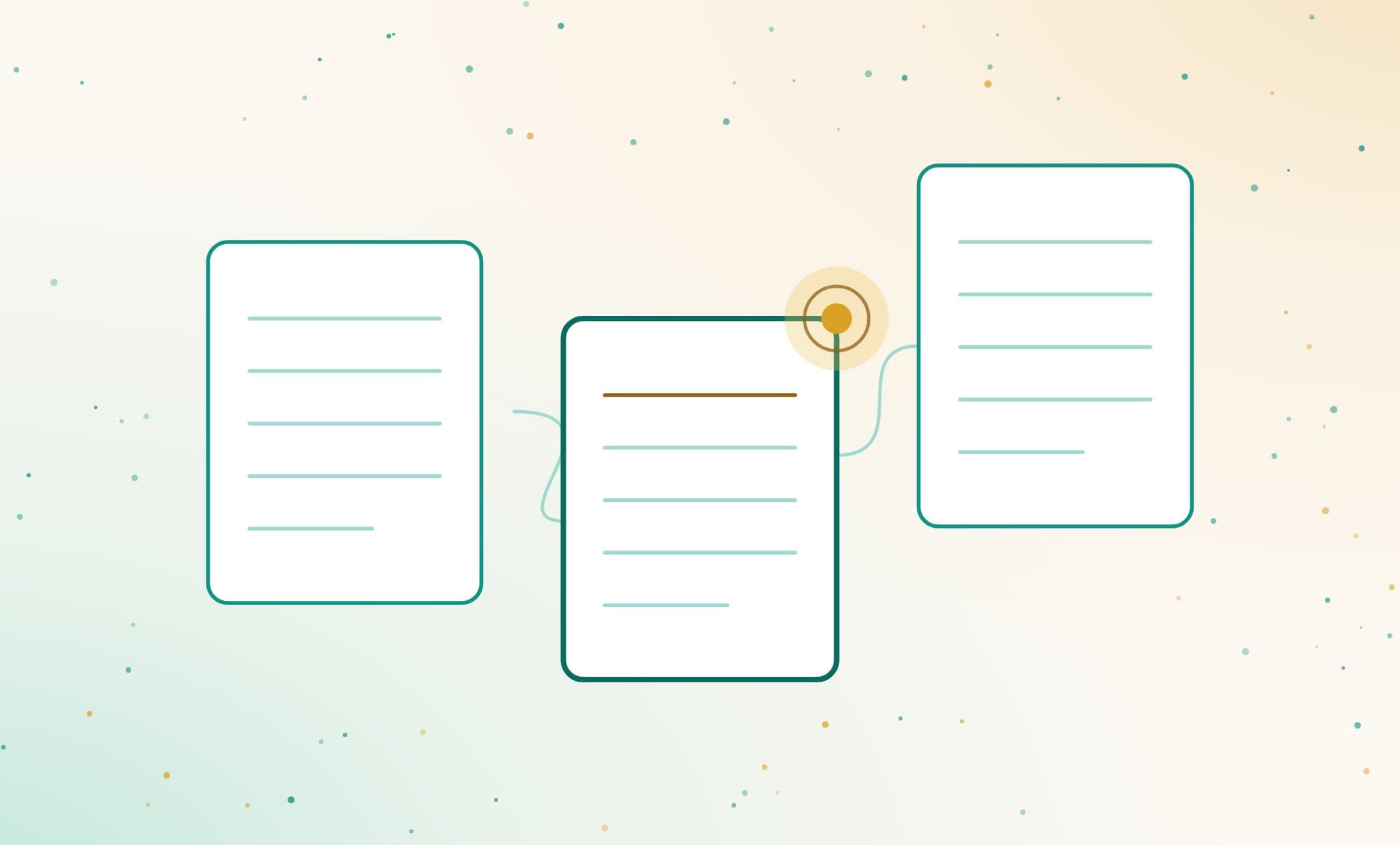
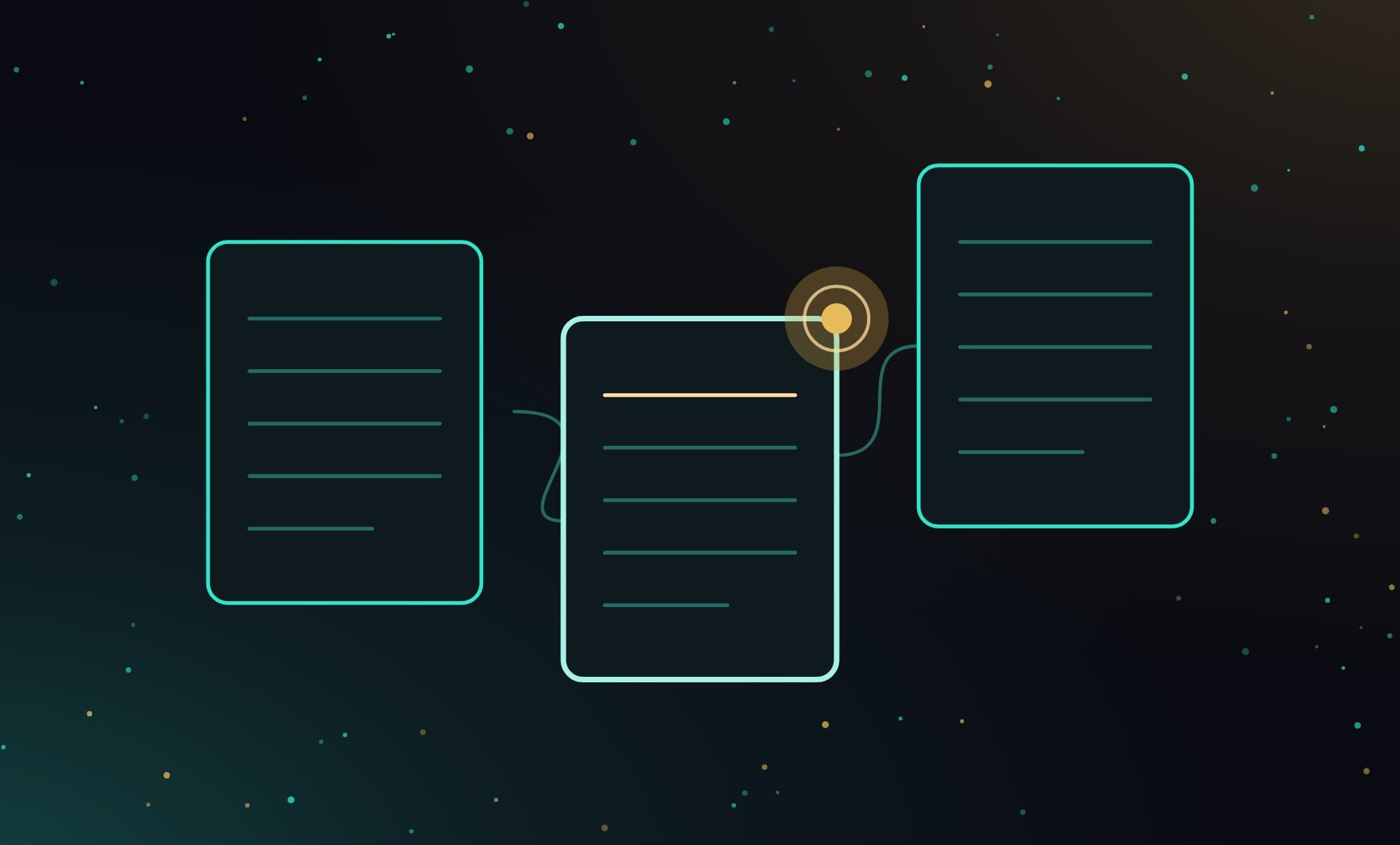
What is a business brain? The knowledge base your AI agents read
A business brain is the set of pages your AI agents read before they write. It should be plain pages you can open, fix and download, not a black box.

How to teach AI your writing voice without writing a style guide
You do not need a brand voice document. Approve the emails your AI crew drafts, change the ones that sound wrong, and your edits become the examples it writes from.

AI that learns from your corrections: how a learning loop works, and why it matters more than the model
A better model writes smoother sentences. It still does not know your prices. Here is how a learning loop turns your corrections into what your AI crew writes from next.

Does your AI actually know your business? How to read the Brain health score
Fluent answers are not proof. The Brain health score shows how much of what your AI crew works from is your own knowledge, what each part measures, and what to do next to raise it.


How long does it take to get AI agents running in your business?
Most teams brace for a six-month implementation. The real timeline is a brain from your website on day one, useful work the same afternoon, and compounding leverage inside a month. Here's what actually happens, hour by hour.
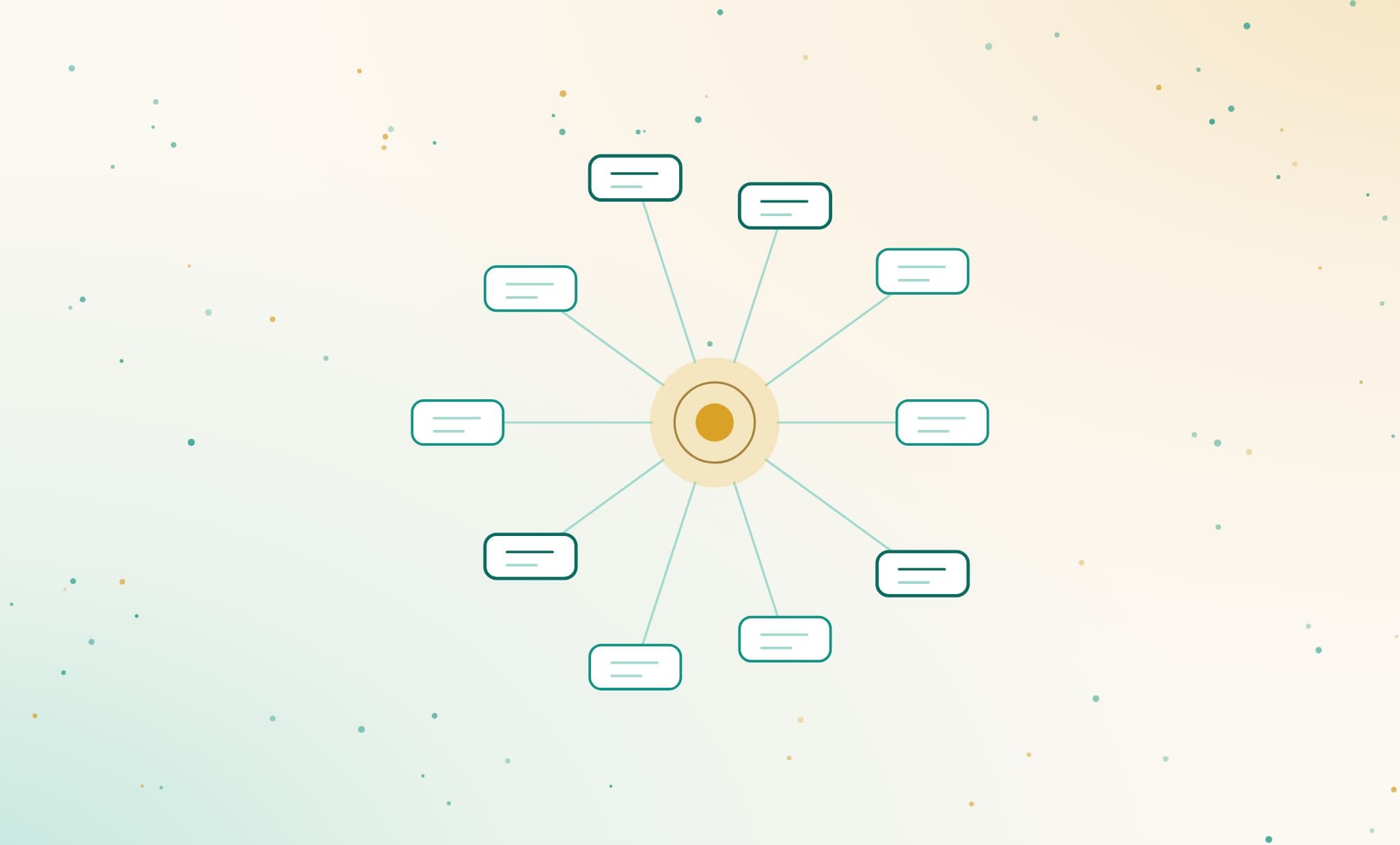
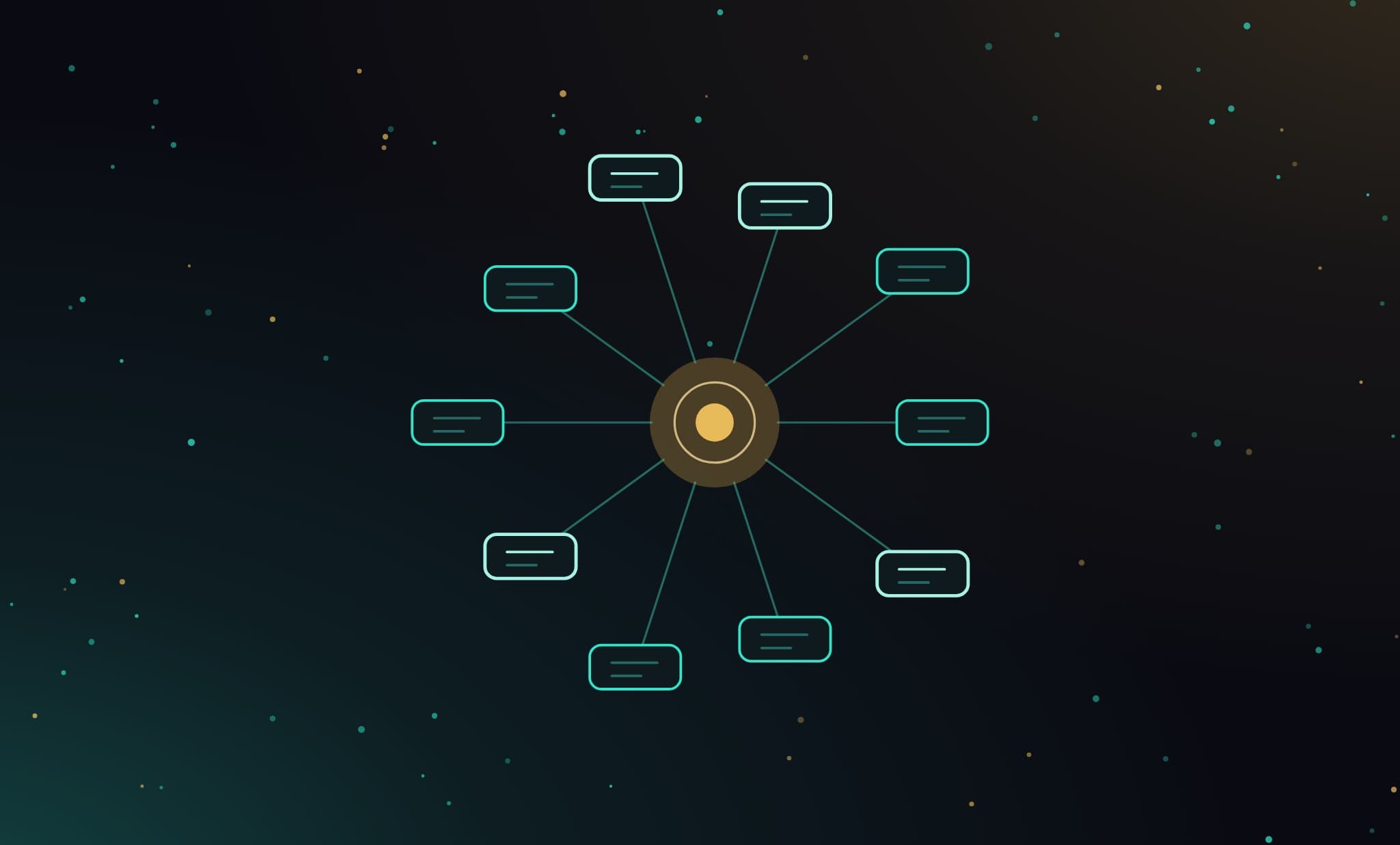
What can AI agents actually do for a small business?
Not "answer questions" — finish work. A concrete list of the jobs an agent crew carries day to day, what it should never touch, and how to tell the difference before you commit.


Small business automation stack 2026: what to automate first, second, and never
Automate in this order: first the busywork that steals your week — inbox triage, follow-ups, scheduling, drafting. Second, the judgment-heavy prep work agents can now carry — research, proposals, pipeline management — with a human approving anything that sends. Never automate the final call on money, relationships, or anything irreversible.

The 48-hour AI trial: what you can actually build from just your website URL
From one URL, Brainztem builds a working preview of your own agentic operating system: your brand and voice extracted from your site, a credibility score of the site itself, a crew of AI agents hired for your kind of business, and a seeded brain — free for 48 hours, with real agent conversations included.


Why most small-business AI pilots fail — and the pattern that works
The failure is rarely the model. It's starting with a tool instead of a brain, automating the irreversible, and never putting real work through it. Three failure modes, and the shape of the thing that doesn't collapse in week three.

Human-in-the-loop automation: why nothing should send without your approval
Human-in-the-loop automation lets AI do all the work of preparing an action — research, drafting, scheduling — while a person makes the final call on anything that leaves the building. It's the difference between delegating work and delegating consequences, and for a small business it's the only automation posture that survives contact with reality.

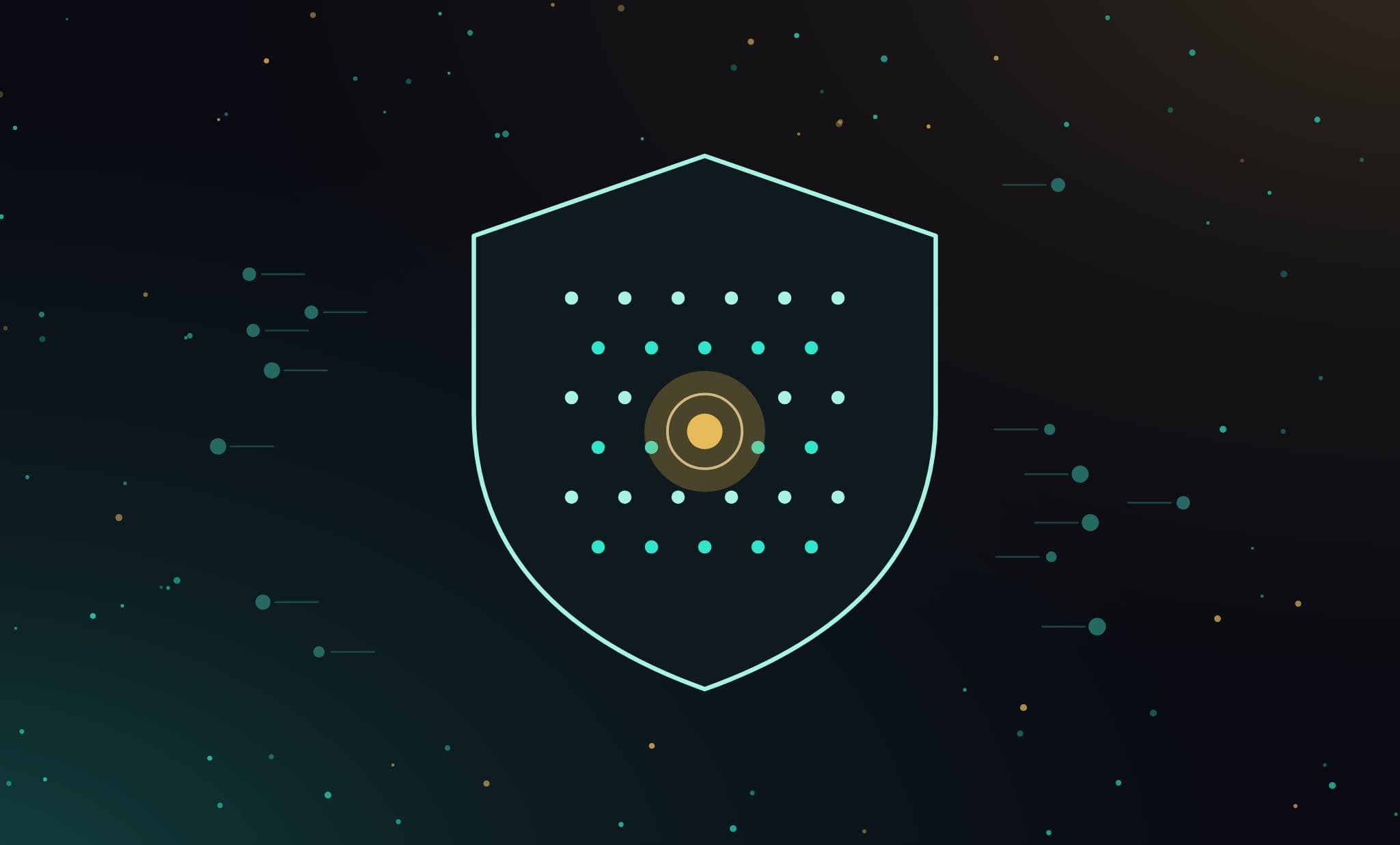
How to give AI agents your business context without leaking your data
The safe pattern has three rules: keep your knowledge in a vault you control rather than scattering it across vendor tools, choose providers that don't train on your data, and stage what you share — starting with what's already public, like your website. Context makes agents useful; architecture decides whether it also makes you exposed.


AI employees vs human hires: an honest total-cost comparison for small business
A human hire costs far more than a salary — recruiting, payroll overhead, benefits, ramp time, management, and turnover all stack on top. An AI crew removes most of those cost categories but can't replace judgment, relationships, or physical work. The honest answer is a division of labor, not a substitution.


What is an agentic operating system? (Plain-English guide)
An agentic operating system is software that runs your business's day-to-day work with a crew of AI agents instead of just storing it in apps. It combines one shared memory of your operation, agents that plan and execute work inside it, and a control surface where you direct them and approve what leaves the building.


Why we made it impossible for your crew to send, spend, delete, or deploy alone
Autonomy is the whole pitch — until the day it isn't. Here's the hard-gate design decision behind Brainztem, and the checks in the send path that hold even when a draft looks ready to go.


You don't need another app. You need an operating system with a brain.
Software gave you tools. Brainztem gives you a crew that uses them. The shift from apps to agentic operations — and why it changes how small teams compete.
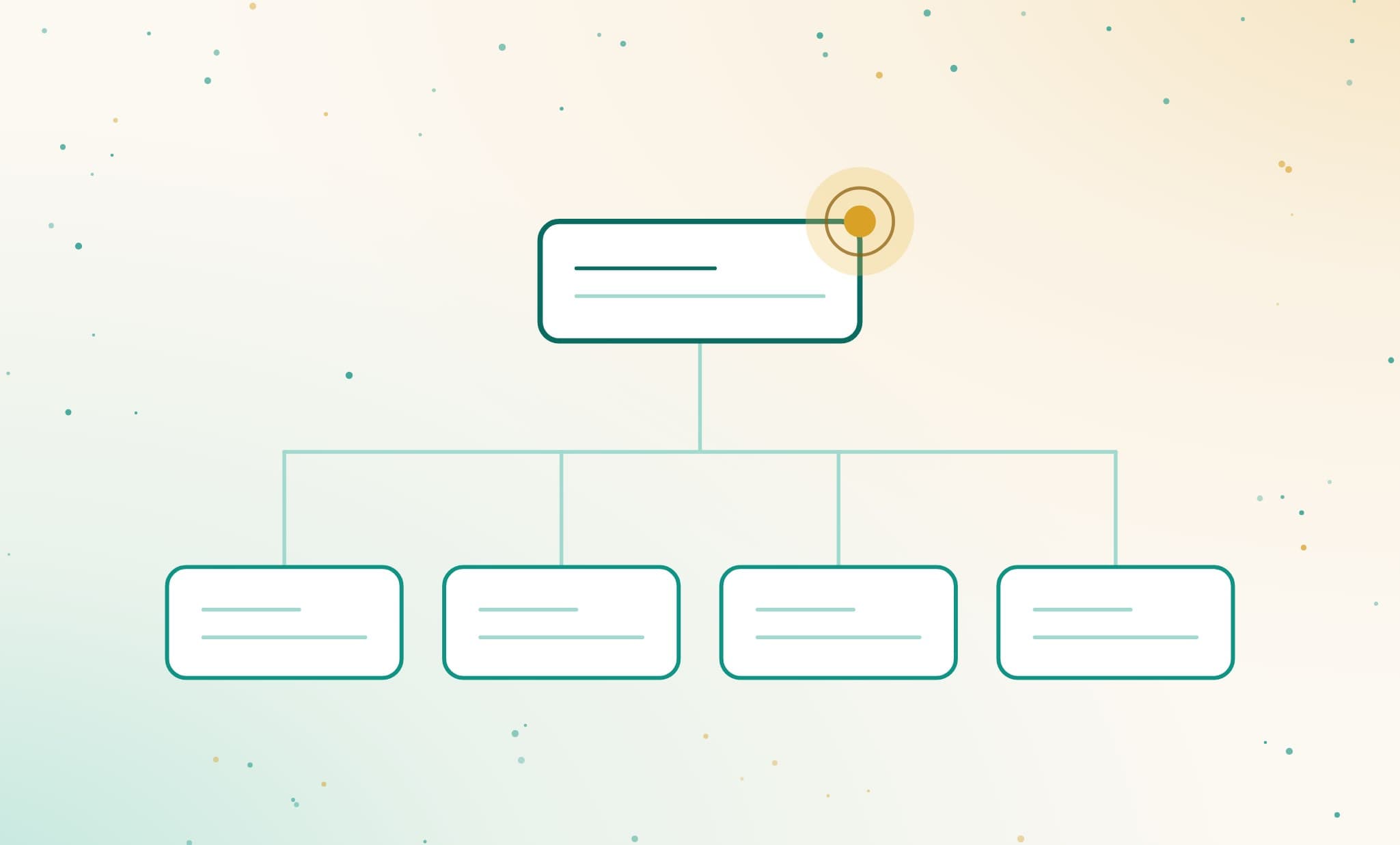
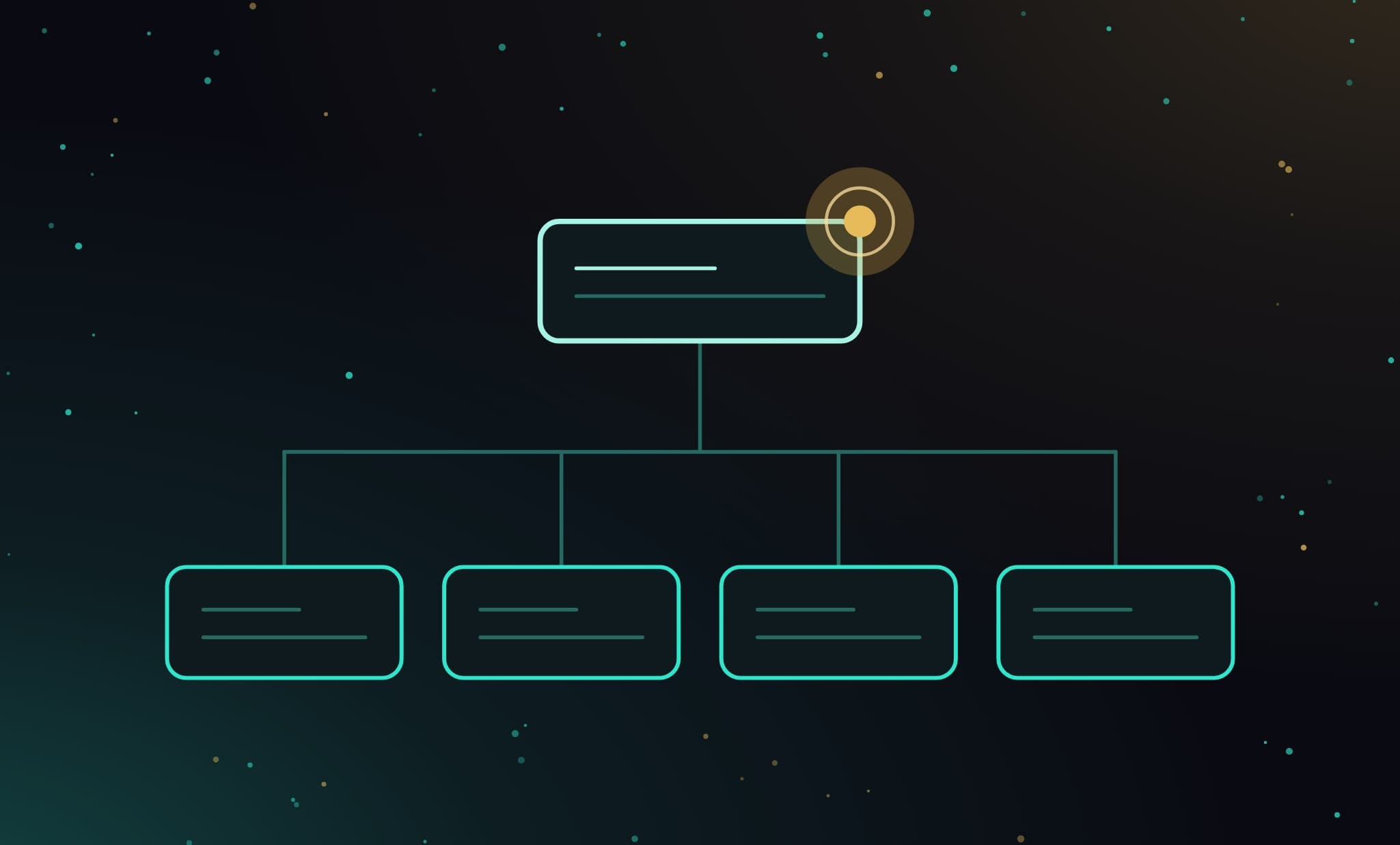
The five agents every operation should hire first
An Orchestrator and four specialists. How to staff your agent crew so the work coordinates itself — and where each one earns its keep.

How GrantedSC turned grant writing into an agent-run pipeline
Deep-scan funders, draft winning narratives, and run outreach — without burying the team in research and deadlines.
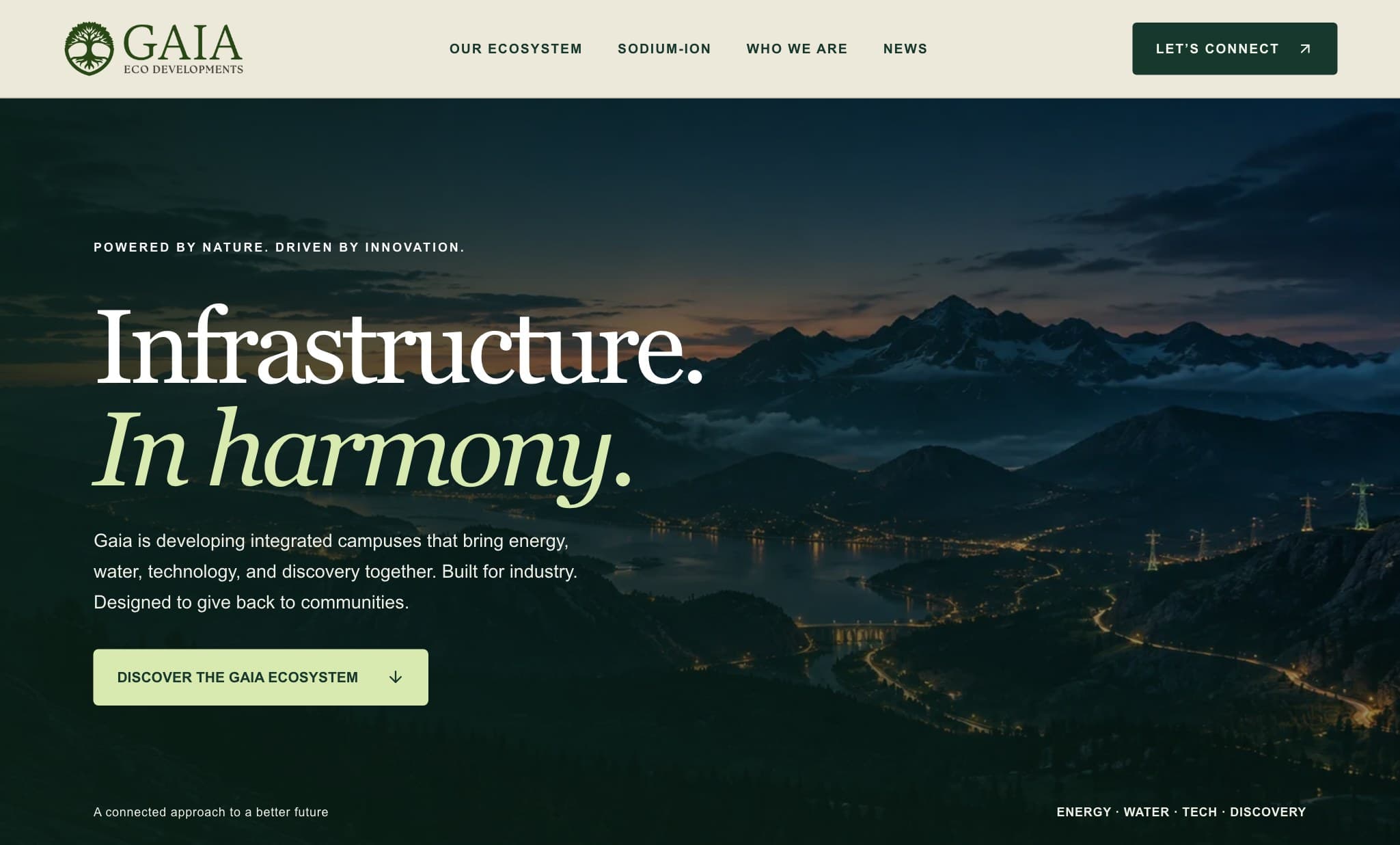
Gaia's agentic knowledge center for eco-development
Fundraising, partnerships, and campus operations — coordinated by a crew that never loses the thread across a long, complex project.

From inbox to install: running a fabrication shop on Brainztem
Saunders runs the whole shop — quotes, builds, and client delivery — as one agent-coordinated operation in a workspace that feels like the craft.
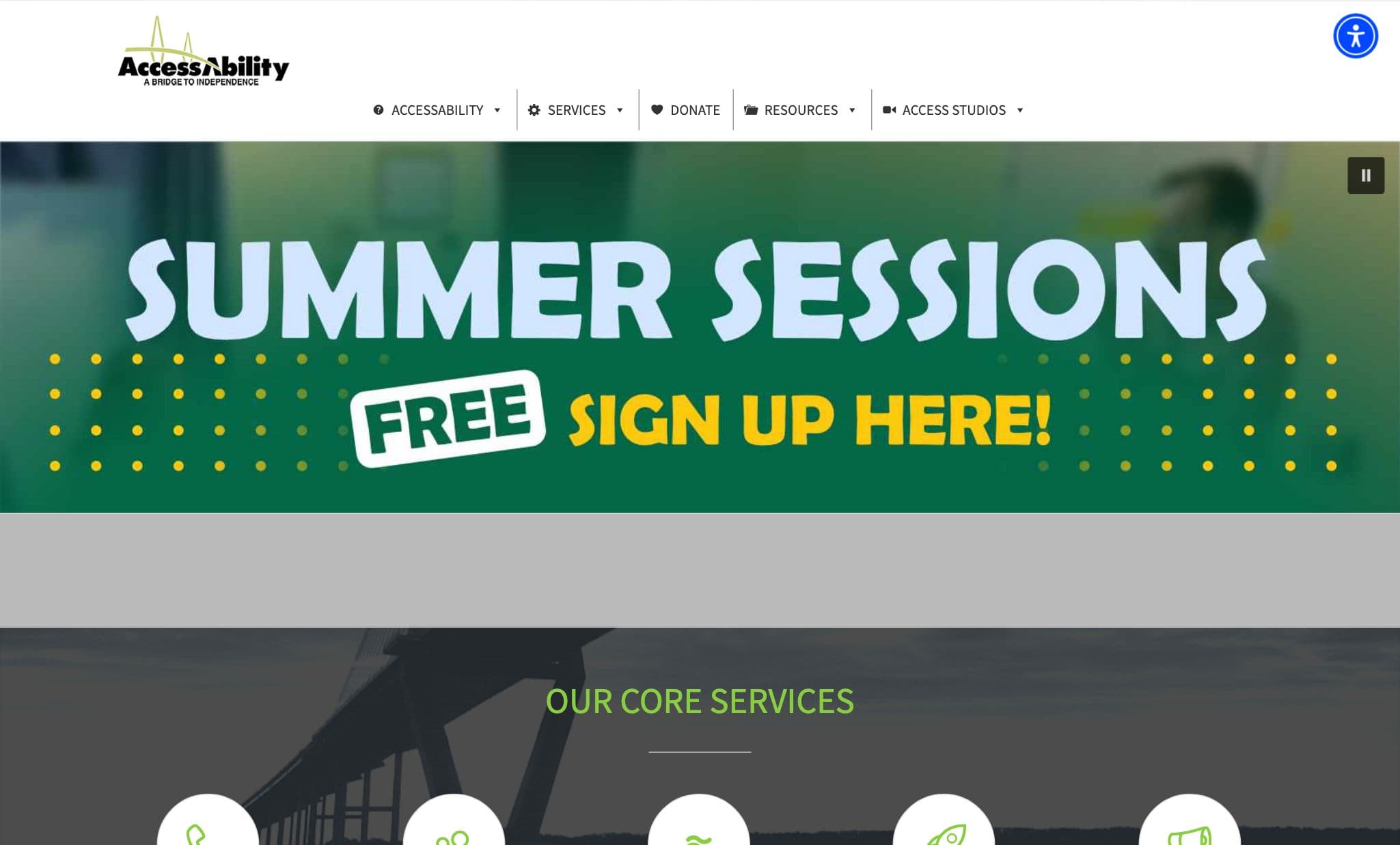
Connected operations for a disability-services nonprofit
AccessAbility coordinates people, initiatives, and advocacy with an agent crew that drafts the routine work for staff to approve, and an interface built to be accessible from the start.
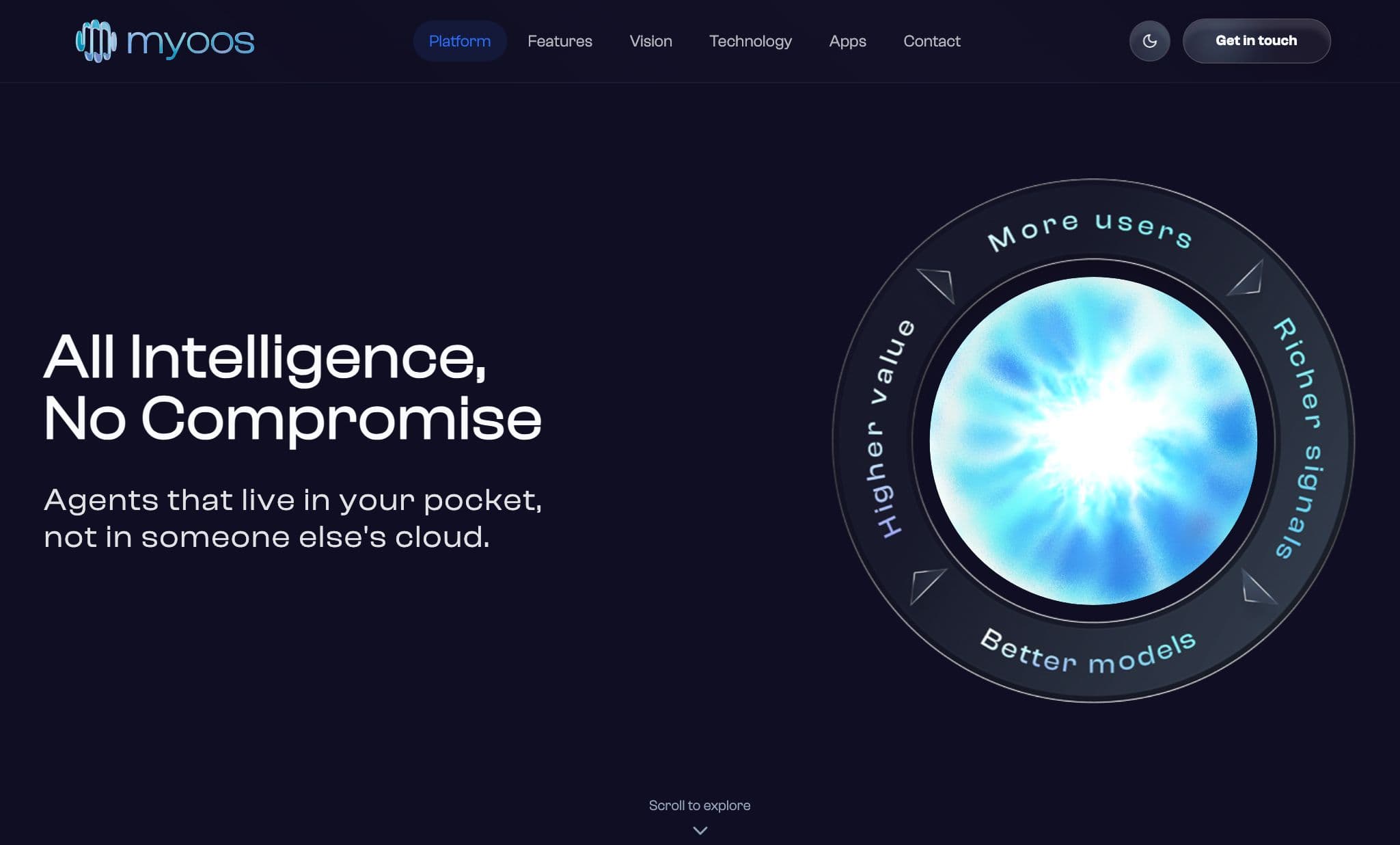
Myoos: an agency that runs its whole client portfolio on one control plane
Every new client used to mean another environment to set up and babysit. Myoos gives each client a branded instance and watches the whole portfolio (uptime, usage, spend) from one board.