
Why we made it impossible for your crew to send, spend, delete, or deploy alone
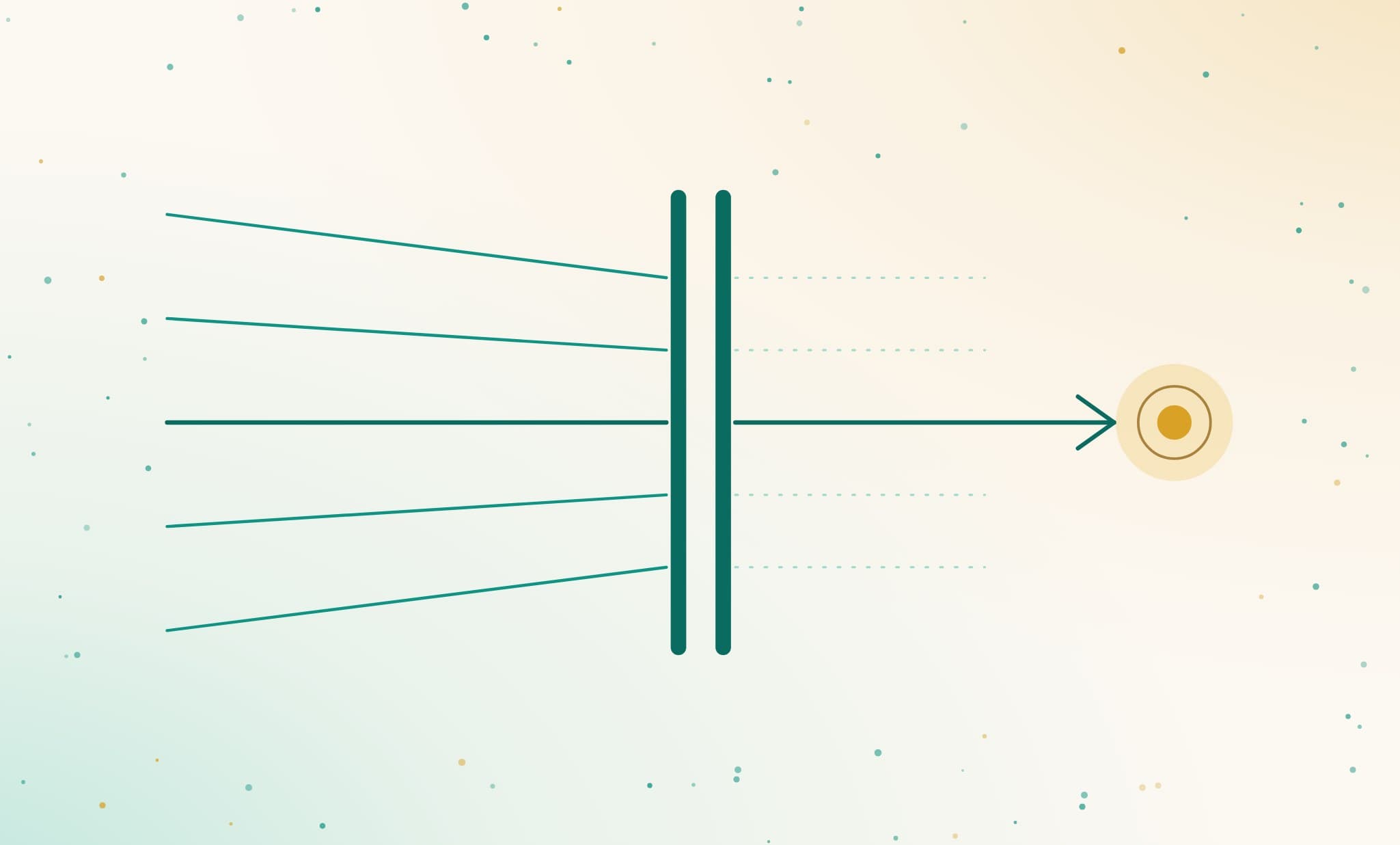
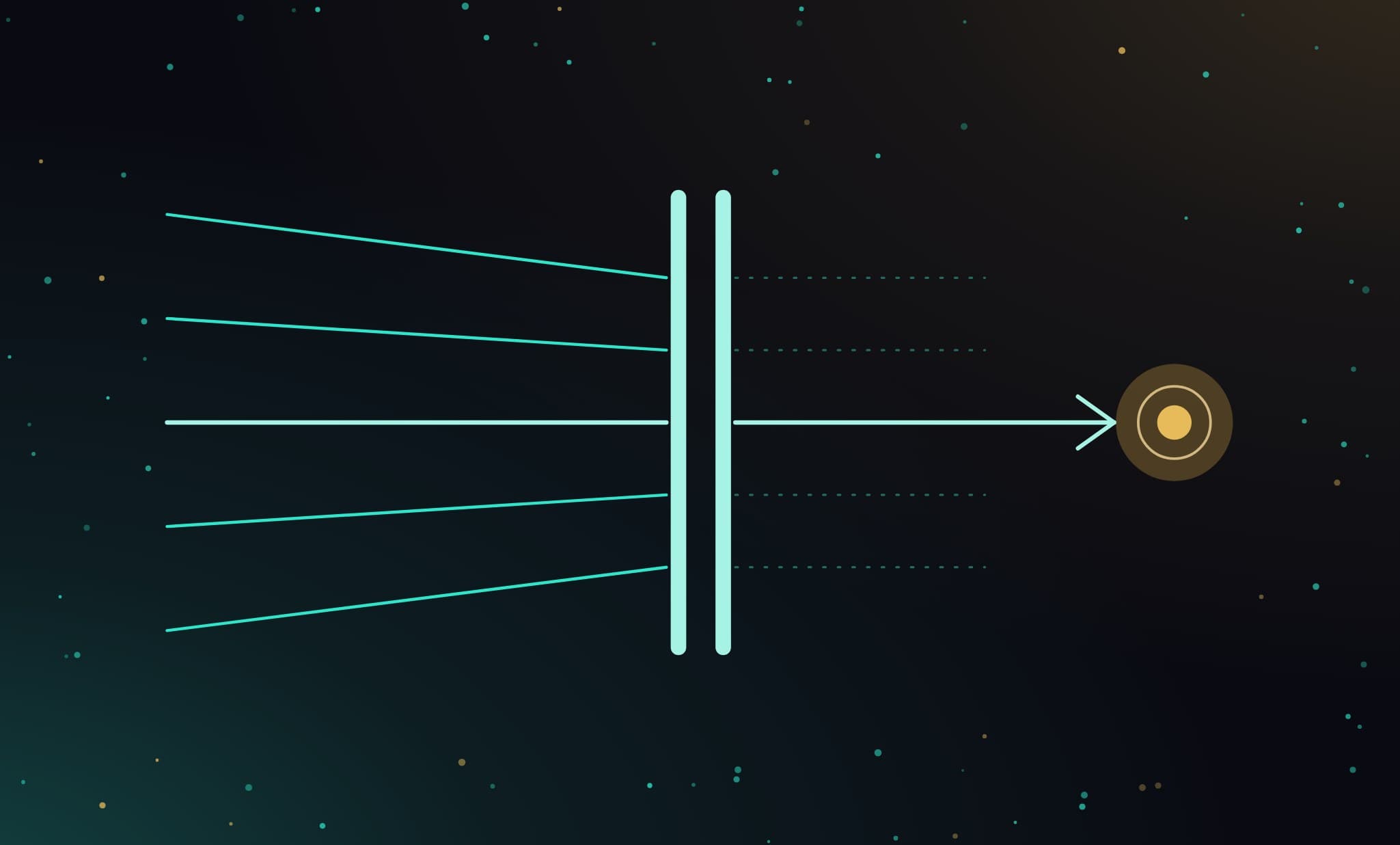
Autonomy is the whole pitch — until the day it isn't. Here's the hard-gate design decision behind Brainztem, and the checks in the send path that hold even when a draft looks ready to go.
The scariest sentence in AI right now is "it did that on its own." Give a crew of agents the ability to find contacts and email them, and you've also given it the ability to spam a thousand strangers before lunch. Give it the ability to delete, spend, or reconfigure infrastructure, and one bad prompt or one adversarial input is all it takes to turn a productivity tool into an incident.
So we drew a line, and we built it into the code path instead of a setting. Four categories of action — external communication, money and contracts, code and infrastructure, and irreversible deletes — always require a human decision. Not "by default." Not "unless you flip a setting." Always.
Autonomy where it's safe, a human where it isn't
Your crew still answers from your brain, drafts, and prepares constantly without asking permission for every step. That's most of what makes it useful. But chat has no tools at all: it can't send, delete, buy, browse, or touch your other systems. There's no toggle that lets an email actually leave, a dollar actually move, or a record actually vanish without you.
In practice, outreach looks like this: an agent drafts an email in your crew's voice from what your brain knows about the prospect. It sits in your outbox. You read it, approve it, then click send, one email at a time. It goes out from your own email domain, through your own email account, and replies come straight to you.
The send button checks, not just the happy path
Anyone can demo an agent behaving well. The question that matters is what happens when something is off. So the send path itself refuses in the cases where a human should look again:
- A draft nobody has approved. Send is refused until you approve it.
- A missing or invalid recipient. Nothing goes out to a guess.
- An unfilled [placeholder] left in the text. The email waits until you fill it in.
A hard gate that a good-enough prompt can talk its way around isn't a safety feature. It's a suggestion.
Why this is the differentiator we lead with
Some AI sales tools will find companies, find contacts, and email them completely autonomously, at scale, with no one in the loop. That's a real capability — and a real liability. We'd rather you never have to wonder whether your crew spammed someone, committed you to a contract, or deleted something important while you were asleep. Autonomous, never reckless, is the whole design decision.
Put your operation on a crew.
Enter your website and get a workspace built from it. Free for 48 hours.