
Small business automation stack 2026: what to automate first, second, and never

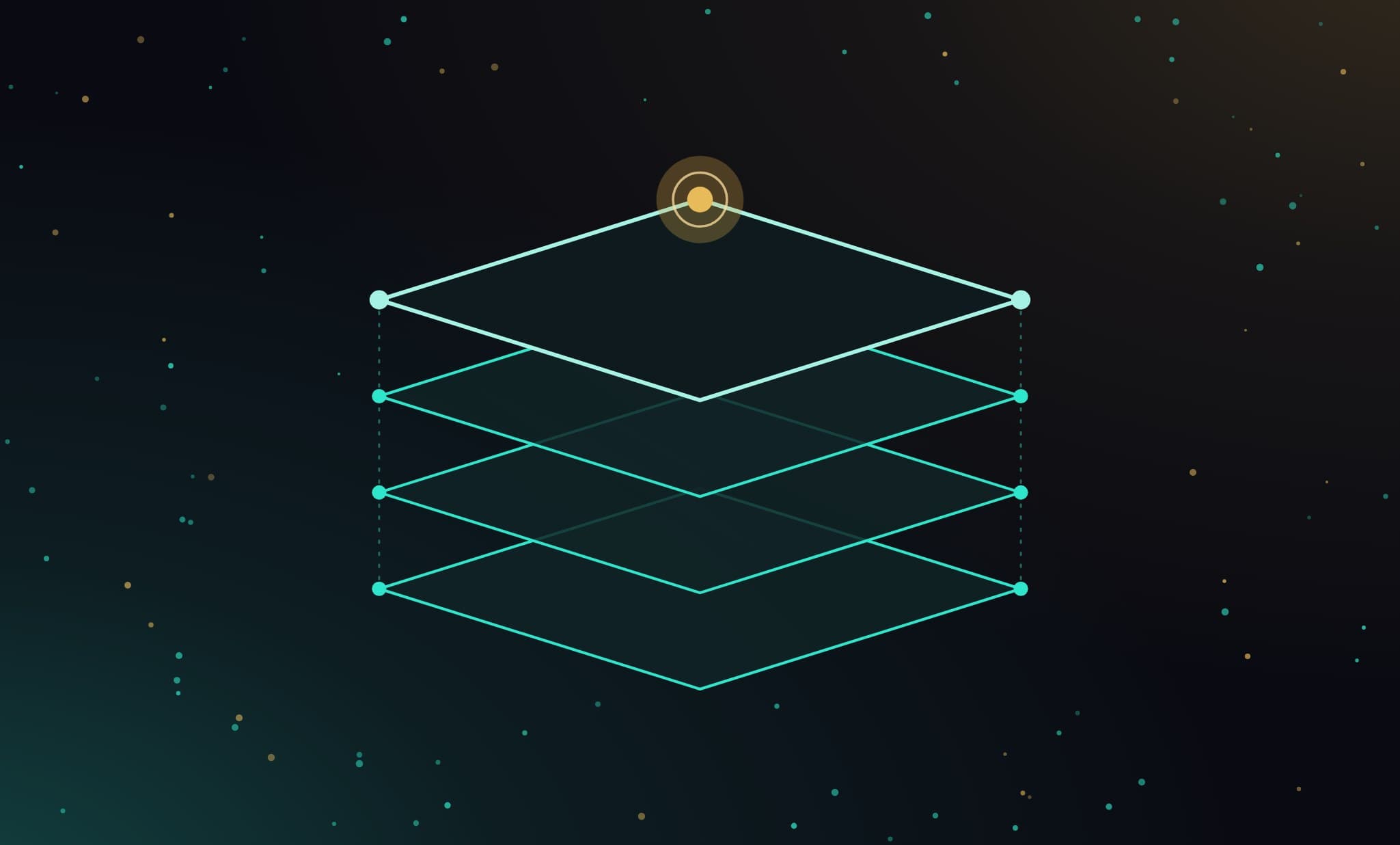
Automate in this order: first the busywork that steals your week — inbox triage, follow-ups, scheduling, drafting. Second, the judgment-heavy prep work agents can now carry — research, proposals, pipeline management — with a human approving anything that sends. Never automate the final call on money, relationships, or anything irreversible.
The right automation order for a small business in 2026: first, the mechanical busywork that eats your week — inbox triage, follow-up nudges, scheduling, data entry between tools. Second, the judgment-heavy preparation that AI agents can now genuinely carry — research, drafting proposals and outreach in your voice, keeping a pipeline warm — with a human approving anything that leaves the building. And never: the final call on money, the moments that define client relationships, and anything irreversible. Sequence matters more than software; most failed automation projects are good tools deployed in the wrong order.
Here's the full map — what belongs in each tier, why the order is what it is, and where the 2026 stack differs from the advice you read two years ago.
First: the busywork layer (weeks one to four)
Start where the work is high-volume, low-judgment, and painfully visible. This tier pays back immediately, requires the least trust, and — the underrated part — teaches you to work with a system before the stakes rise.
- Inbox triage — every inbound read, classified (lead, client, vendor, noise), and routed, so your attention starts where it matters.
- Follow-up hygiene — the thread that's gone quiet, the quote that's aging, the invoice unpaid: surfaced and nudged before they rot. Follow-through, not brilliance, is where small businesses leak the most revenue.
- Scheduling and task capture — decisions turn into calendar entries and owned tasks without a human playing stenographer.
- Copy-paste plumbing — anything that moves data between two tools on a schedule. If you could write the steps on an index card, it should never again be done by hand.
Everything here is reversible or internal, which is why it goes first: the cost of an error is a shrug, and the volume is enormous.
Second: the preparation layer (months two and three)
This tier is what changed. In 2024 the advice stopped at the busywork, because "automation" meant recipes — fixed if-this-then-that rules that couldn't read, judge, or write. In 2026, agent crews working from your business's actual context handle preparation work that used to be a person's entire morning:
- Research briefs — a prospect, a funder, a competitor: read, summarized, and turned into an angle before your first coffee.
- Drafting in your voice — outreach, proposals, client updates, written against your real history with each contact rather than a template.
- Pipeline management — every open thread tracked, stale ones flagged, the next touch pre-drafted and waiting.
- Meeting prep and post-work — context assembled before, decisions turned into tasks after.
The rule that keeps this tier safe is the approval gate: agents prepare everything, humans approve anything external. Nothing sends, spends, or commits without a person's yes — a design we've argued for at length in our human-in-the-loop post. Done right, you keep roughly the last five seconds of every task: the judgment call. That's the whole trade.
Automate the preparation, keep the decision. Get the order backwards and you'll either drown in busywork or wake up to an email you never wrote.
Never: the three things you keep
Some work should stay human even when software volunteers, and being clear about it up front is what makes aggressive automation of the rest safe rather than reckless:
- Final calls on money — approving a spend, signing a contract, setting a discount. Agents can model and recommend; the commitment is yours.
- Relationship moments — the apology after a miss, the negotiation, the difficult conversation, the thank-you that lands because it cost you time. Automating these doesn't save the work; it spends the relationship.
- Irreversible actions — deletions, cancellations, anything without an undo. The category is defined by consequence, not difficulty: plenty of irreversible actions are trivially easy, which is exactly the danger.
Notice these are the same categories a well-built agent platform hard-gates anyway — external comms, money, infrastructure, deletes. Your policy and your tooling should agree with each other: if you've decided a category of action always needs a human, pick software where that rule is enforced in the code path rather than written in a wiki nobody reads. A policy your tools can't violate is worth ten your team has to remember.
Build it as one system, not seventeen subscriptions
The classic failure mode of the SaaS-era stack: one tool per tier, none sharing memory, you as the integration layer — spending Friday afternoons shuttling context between the scheduler, the CRM, and the email assistant. The 2026 correction is architectural: the tiers work dramatically better on a shared brain, because the agent drafting your follow-up should already know what you told that client last month and where they sit in your pipeline. That's the case for an agentic operating system over a pile of point tools — one memory, one crew, one place to approve. (For the plain-English version of what that means, start with our agentic OS guide.)
Your first week, concretely
Before you subscribe to anything: audit yourself for one week. Note every task that repeats, roughly how long it takes, and whether it needs your judgment or just your keyboard. Then take an outside read on how your business presents — run your site through websitecreditscore.com for a free credibility score, because your website is both your storefront and, increasingly, the seed data your automation will learn your business from. Sort your task list into the three tiers above, and pilot tier one plus one tier-two workflow — outreach drafting is the usual winner — measuring a single number: hours of your own attention reclaimed per week.
If you'd rather pilot the preparation tier than assemble it, that is what a Brainztem trial is for: enter your website URL and it builds a preview workspace — your brand, your crew, a brain seeded from your site — free for 48 hours. The preparation tier arrives ready: outreach, email replies, quotes, and documents drafted from a brain seeded from your site, each waiting for your approval. Your tasks, calendar, and pipeline sit on one board. And the never tier stays exactly where it belongs: with you.
Frequently asked questions
What should a small business automate first in 2026?
The high-volume, low-judgment busywork: inbox triage, follow-up nudges, scheduling, and data shuttling between tools. It pays back immediately, the errors are cheap, and it builds the trust you'll need before automating judgment-heavy work.
What should you never automate?
Final calls on money and contracts, the relationship moments where a human's time is the point, and anything irreversible. Agents can prepare and recommend in all three; the decision itself stays human.
What's different about an automation stack in 2026 vs a few years ago?
The middle tier. Automation used to mean fixed recipes; agent crews working from your business's real context now carry preparation work — research, drafting, pipeline management — that recipes never could. The safe pattern is agents prepare, humans approve.
Do I need a dozen tools to cover the full stack?
No — and stitching point tools together usually makes you the integration layer. The tiers work best on one shared brain, where the same crew drafts the work and you approve it in one place. That's the case for an agentic operating system.
Put your operation on a crew.
Enter your website and get a workspace built from it. Free for 48 hours.